Supplements to increase nitric oxide usually contain ingredients that provide building blocks for nitric oxide production or support pathways that help maintain nitric oxide availability. The most common options include L-citrulline, L-arginine, beetroot-derived nitrate, and several supporting nutrients.
But not every “nitric oxide booster” is formulated equally. Some ingredients have considerably more research behind them than others, and the evidence can depend on the dose, timing, health status, and goal of the person taking them. When comparing a nitric oxide supplement, the ingredient list matters more than the marketing label.
How Do Nitric Oxide Supplements Work?
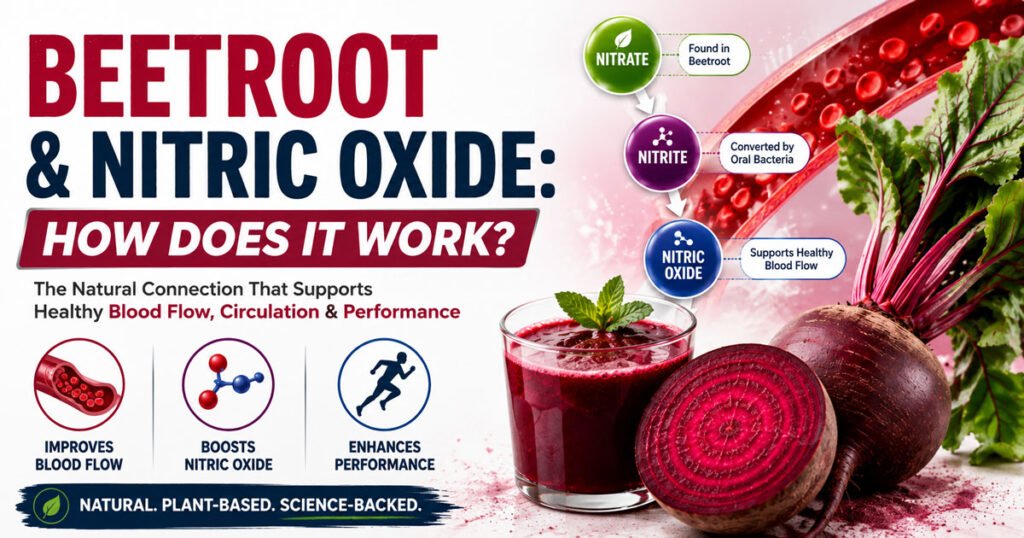
Nitric oxide is a signaling molecule involved in blood vessel relaxation and many other physiological processes. The body can produce it through an enzyme-dependent pathway using L-arginine, or through a separate pathway involving dietary nitrate and nitrite.
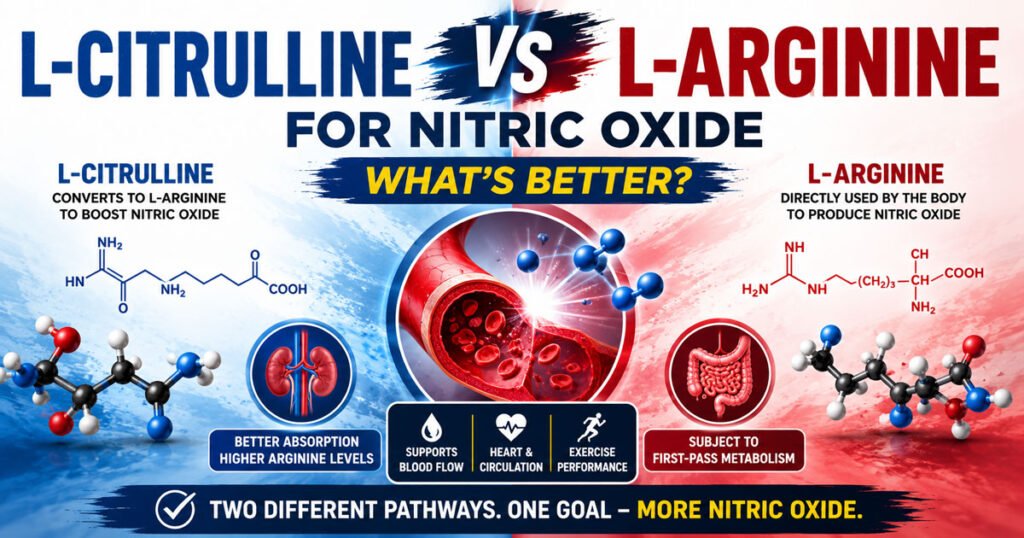
That distinction explains why nitric oxide supplements don’t all work in exactly the same way. L-citrulline and L-arginine support the amino-acid pathway, while beetroot and other nitrate-rich ingredients work through the nitrate-nitrite pathway.
Research has investigated both approaches, particularly in relation to vascular function and exercise. However, results are not identical across every study or population.
Quick Look: Which Nitric Oxide Ingredients Matter?
| Ingredient | How It May Work | Evidence |
|---|---|---|
| L-Citrulline | Supports arginine availability for nitric oxide synthesis | Moderate to strong |
| L-Arginine | Direct substrate used to make nitric oxide | Moderate, mixed by outcome |
| Beetroot / Nitrate | Supports the nitrate-nitrite-nitric oxide pathway | Moderate to strong for selected outcomes |
| Vitamin C | Antioxidant nutrient that may support normal endothelial function | Context-dependent |
| Hawthorn | Contains plant compounds studied for cardiovascular effects | Limited for nitric oxide specifically |
| Magnesium | Supports normal muscle and vascular physiology | Not a direct nitric oxide booster |
1. L-Citrulline: One of the Key Ingredients to Know
If you’re comparing supplements to increase nitric oxide, L-citrulline is one of the ingredients worth paying attention to. It is an amino acid that the body can convert into L-arginine, which is then available for nitric oxide synthesis.
One reason L-citrulline has attracted attention is that it can increase circulating arginine more effectively than taking equivalent amounts of L-arginine in some circumstances. It is not subject to the same degree of first-pass metabolism in the gut and liver.
Research has examined L-citrulline for blood pressure, vascular function, and exercise-related outcomes. The findings are promising in some areas, but they do not mean every L-citrulline product will produce the same result.
When you see L-citrulline on a supplement label, check the actual amount provided rather than simply assuming its presence guarantees a noticeable effect.
2. L-Arginine: The Direct Precursor
L-arginine is directly involved in the enzyme pathway that produces nitric oxide. Nitric oxide synthase uses L-arginine as a substrate and produces nitric oxide along with L-citrulline.
That makes L-arginine an obvious ingredient for nitric oxide formulas. However, oral L-arginine does not always translate into a predictable increase in nitric oxide availability because much of the amino acid is metabolized before it reaches the circulation.
Research has found potential effects of L-arginine supplementation on vascular and blood-pressure measures, but findings vary according to dose, population, and study design.
L-arginine has a clear biological connection to nitric oxide, but “direct precursor” does not automatically mean “best supplement ingredient.”
3. Beetroot and Dietary Nitrate
Beetroot is another major ingredient to look for when evaluating nitric oxide products. Unlike L-citrulline and L-arginine, beetroot works primarily through the nitrate-nitrite-nitric oxide pathway.
Dietary nitrate can be converted to nitrite and subsequently contribute to nitric oxide formation. Oral bacteria are an important part of this process, which is why the nitrate pathway is biologically different from simply taking an amino-acid precursor.
Beetroot juice and nitrate supplementation have been studied extensively, particularly in exercise research. Some systematic reviews report benefits for specific endurance and muscular-performance outcomes, although the effects are not universal.
4. Why Nitrate Dosage and Timing Matter
Seeing “beetroot” on a label is not enough to determine how much nitrate a product actually provides. Beetroot powders, juices, extracts, and standardized nitrate products can contain very different amounts of active nitrate.
This is an important distinction when comparing supplements. A product can contain beetroot as an ingredient without providing a standardized nitrate amount comparable to products used in clinical research.
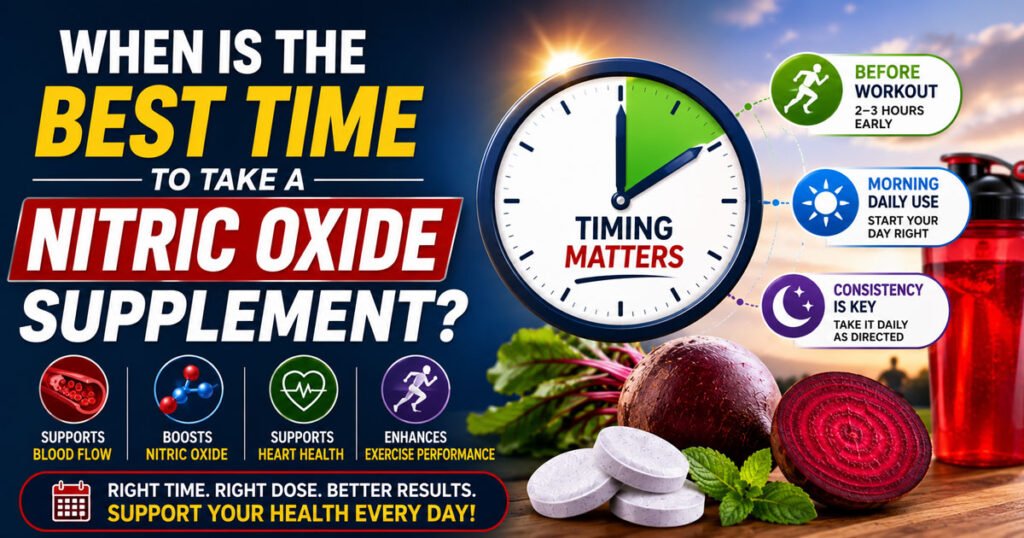
Studies of exercise performance have also found that timing and dose can influence results. One large systematic review found that nitrate appeared most effective in certain exercise conditions and that oral-microbiome factors could influence the response.
For nitrate-based products, the form and amount of nitrate may be more informative than simply seeing the word “beetroot” on the front label.
5. Vitamin C: More of a Supporting Nutrient
Vitamin C is not a direct nitric oxide precursor in the same way as L-arginine or L-citrulline. It is better viewed as a supporting nutrient with antioxidant functions.
Oxidative stress can affect nitric oxide bioavailability by promoting reactions that reduce the amount of nitric oxide available for normal signaling. Because of this relationship, researchers have investigated whether antioxidant nutrients can influence endothelial function.
That does not mean taking large amounts of vitamin C will automatically increase nitric oxide. Its role is considerably different from that of nitrate or an amino-acid precursor.
In a nitric oxide formula, vitamin C makes more sense as a supporting nutrient than as the primary nitric oxide-producing ingredient.
6. Hawthorn: An Ingredient With a Different Role
Hawthorn is a plant traditionally used in products focused on cardiovascular health. It contains flavonoids and other plant compounds that have been studied for their potential effects on cardiovascular function.
However, hawthorn should not be placed in the same evidence category as L-citrulline or dietary nitrate when the specific question is nitric oxide production. Its research history is broader and includes cardiovascular outcomes rather than simply nitric oxide synthesis.
People taking cardiovascular medications should be particularly careful with herbal ingredients. “Natural” does not automatically mean free from interactions or appropriate for everyone.
7. Magnesium: Important, But Not a Nitric Oxide Booster
Magnesium is another ingredient that appears in some cardiovascular and nitric oxide formulas. It is an essential mineral involved in hundreds of enzymatic reactions and contributes to normal muscle and nerve function.
Magnesium also plays a role in normal vascular physiology. However, it would be misleading to describe magnesium as a direct nitric oxide precursor in the same way as L-citrulline or L-arginine.
If a product contains magnesium, consider it part of the broader nutritional formula rather than the ingredient responsible for generating nitric oxide.
Which Ingredients Have the Most Research?
There is a meaningful difference between having a plausible biological mechanism and having consistent human evidence. L-citrulline, L-arginine, and dietary nitrate have been investigated directly in human studies and reviews, particularly for vascular and exercise-related outcomes.
Among these, dietary nitrate has a substantial research base, especially around beetroot and exercise. A 2025 umbrella review of systematic reviews found mixed effects overall, with improvements in some exercise outcomes but not others, while also noting quality limitations in many of the underlying reviews.
The research supports cautious optimism, not the idea that every nitric oxide supplement will work for every person.
What Should You Look for on a Supplement Label?
If you’re shopping for supplements to increase nitric oxide, start with the Supplement Facts panel rather than the front of the bottle. Look for clearly identified active ingredients and their amounts.
- L-citrulline: Check the actual amount per serving.
- L-arginine: Look for a clearly stated serving amount.
- Beetroot: Determine whether the product specifies nitrate content.
- Other ingredients: Consider whether they have a clear purpose.
- Serving instructions: Check whether the suggested use is realistic for your goals.
Also consider whether the product makes unusually aggressive promises. A supplement cannot guarantee the same response in every person, and a long ingredient list does not automatically make a formula more effective.
What About CircO2 Nitric Oxide Supplement?
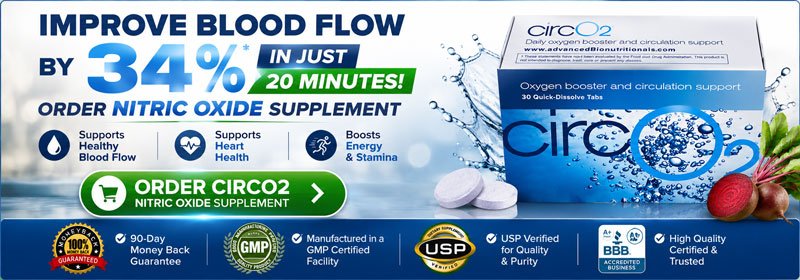
CircO2 is one example of a multi-ingredient nitric oxide formula. According to the manufacturer’s Supplement Facts, its formula includes beetroot powder, L-citrulline, hawthorn berry extract, vitamin C, vitamin B12, and magnesium, along with a proprietary nitric oxide blend.
That combination covers both a nitrate-related ingredient and an amino-acid precursor, while the remaining nutrients serve supporting roles. As with any supplement, the presence of an ingredient should not be interpreted as proof that the finished product will produce a particular outcome.
Want to take a closer look at CircO2?
If you’re comparing supplements to increase nitric oxide, you can review the CircO2 formula, ingredients, directions, and current offer before making a decision. CircO2 is available as a quick-dissolve tablet from Advanced Bionutritionals.
Explore CircO2 Nitric Oxide Supplement
Are Nitric Oxide Supplements Safe for Everyone?
No supplement should be assumed to be appropriate for everyone. Ingredients that influence vascular function may be relevant to people taking medications that affect blood pressure or cardiovascular function.
L-arginine, L-citrulline, nitrate-containing products, and herbal ingredients can have different considerations depending on the person and the rest of their medication or supplement routine. The 2022 review of nitric oxide supplements also notes the possibility of interactions and adverse effects.
If you take prescription medication, have a cardiovascular condition, are pregnant or breastfeeding, or have another significant health concern, speak with a qualified healthcare professional before starting a nitric oxide supplement.
Do You Need a Nitric Oxide Supplement?
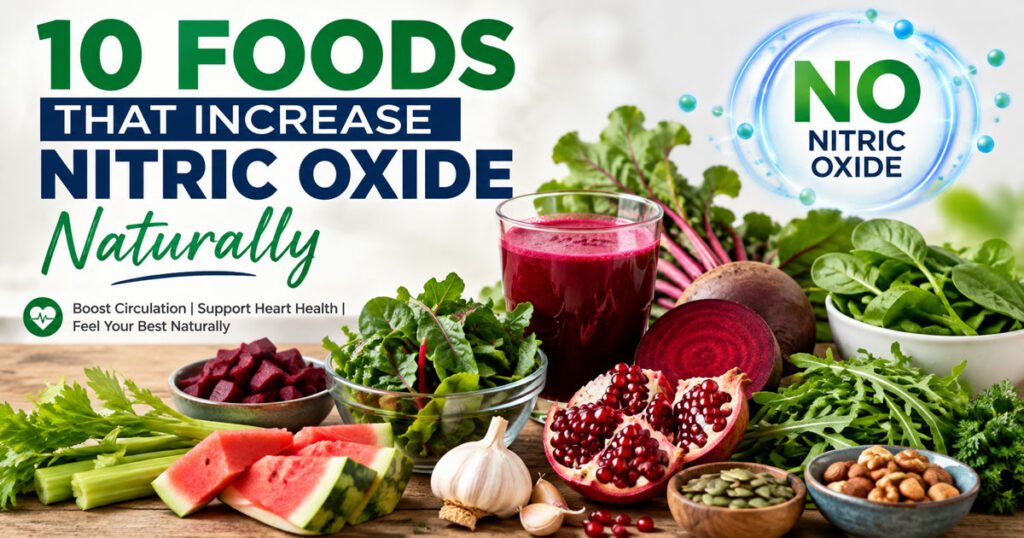
Not necessarily. A healthy diet already provides nitrate through vegetables such as arugula, spinach, lettuce, and beetroot. Regular physical activity also supports normal vascular function and nitric oxide-related pathways.
A supplement may be something an individual chooses for a specific reason, but it should complement—not replace—a healthy lifestyle. Your overall diet, exercise routine, sleep, hydration, and cardiovascular health have a much larger role in long-term wellbeing than any single supplement.
The Bottom Line
When it comes to supplements to increase nitric oxide, the ingredients that deserve the closest attention are L-citrulline, L-arginine, and nitrate-rich ingredients such as beetroot. These ingredients work through different biological pathways and have been studied in humans.
Supporting ingredients such as vitamin C, magnesium, and hawthorn may have useful nutritional or cardiovascular roles, but they should not be confused with direct nitric oxide precursors.
The smartest way to evaluate a nitric oxide supplement is to look beyond the marketing: check the ingredients, amounts, evidence, intended use, and your own health circumstances.
Affiliate Disclosure: We may earn a commission if you purchase a product through links on this page, at no additional cost to you.
Medical Disclaimer: This article is for educational purposes only and is not intended to diagnose, treat, cure, or prevent any disease. Always consult a qualified healthcare professional before starting a dietary supplement, particularly if you take medication or have an existing health condition.