

What does nitric oxide do for the body? Nitric oxide is a short-lived signaling molecule that helps regulate blood flow, blood vessel function, nerve signaling, muscle activity, and several other processes. Because it works throughout the body, nitric oxide has become an important topic in cardiovascular health, exercise, and nutrition.
Your body makes nitric oxide naturally, mainly through enzymes called nitric oxide synthases. It can also increase nitric oxide availability through the dietary nitrate pathway, which involves foods such as leafy greens and beetroot. Nitric oxide is not simply a “blood flow molecule”; it acts as a broader signaling messenger throughout the body.
What Is Nitric Oxide?
Nitric oxide, often abbreviated as NO, is a gas-like molecule produced in small amounts by cells. Unlike many nutrients, it is not something the body stores in large quantities. Instead, it is produced when and where it is needed and quickly interacts with nearby cells.
One of its best-known roles occurs inside blood vessels. Cells lining the vessels, called endothelial cells, produce nitric oxide in response to different signals, including changes in blood flow. The molecule then moves into nearby smooth muscle cells and helps them relax.
This process contributes to vasodilation, meaning the widening or relaxation of blood vessels. That is one reason nitric oxide is closely associated with healthy circulation.
How Does the Body Make Nitric Oxide?
The body can generate nitric oxide through several biological pathways. One major pathway uses the amino acid L-arginine as a substrate. Enzymes known as nitric oxide synthases convert L-arginine into nitric oxide and another molecule called L-citrulline.
There is also a nitrate-nitrite-nitric oxide pathway. Dietary nitrate can be converted to nitrite and, under certain conditions, further converted into nitric oxide. Oral bacteria play an important part in this process, which is one reason researchers have become interested in the relationship between diet, the oral microbiome, and nitric oxide biology.
Factors such as physical activity, diet, age, vascular health, and oxidative stress can influence nitric oxide availability. The goal is not necessarily to maximize nitric oxide at all times, but to support healthy nitric oxide signaling.
What Does Nitric Oxide Do for the Body?
Nitric oxide has several physiological functions. Some are well established, while others are still being studied. The effects also depend on where nitric oxide is produced, how much is available, and the surrounding cellular environment.
| Function | Why It Matters |
|---|---|
| Blood vessel relaxation | Helps regulate vascular tone and blood flow |
| Circulation | Supports the body’s ability to adjust blood flow to tissues |
| Nerve signaling | Participates in communication between cells in the nervous system |
| Muscle function | Contributes to signaling involved in skeletal muscle activity |
| Immune activity | Participates in certain immune and inflammatory processes |
| Cellular signaling | Helps regulate multiple biological pathways |
1. Nitric Oxide Supports Healthy Blood Flow
The most widely recognized function of nitric oxide is its role in vascular regulation. When endothelial cells produce nitric oxide, it can signal the surrounding smooth muscle to relax. This helps blood vessels adjust their diameter according to the body’s needs.
That matters during everyday activities as well as exercise. Working muscles require an increased supply of oxygen and nutrients, so the cardiovascular system must continually adjust blood flow. Nitric oxide is one of several signals involved in this process.
Healthy nitric oxide signaling is therefore an important part of normal vascular function and circulation. However, nitric oxide is only one component of a much larger cardiovascular system, so it should not be viewed as the sole determinant of circulation or heart health.
2. It Plays a Role in Exercise and Muscle Function
Physical activity affects nitric oxide pathways in several ways. Exercise increases blood flow and creates mechanical forces within blood vessels that can stimulate endothelial nitric oxide production. Research has also examined whether increased nitric oxide availability influences skeletal muscle function and exercise performance.
Some studies involving dietary nitrate have reported improvements in particular exercise outcomes, especially in certain endurance settings. However, results are not uniform, and factors such as fitness level, exercise type, dosage, and individual response can influence the findings.
Nitric oxide may contribute to exercise-related blood flow and muscle signaling, but it is not a guaranteed performance enhancer. Training, nutrition, sleep, hydration, and overall fitness remain much more fundamental.
3. Nitric Oxide Helps Regulate Vascular Function
Blood vessels need to constantly respond to changing conditions. They must widen or narrow depending on factors such as blood flow, pressure, nervous system signals, and the metabolic needs of tissues.
Nitric oxide is one of the signaling molecules involved in this regulation. It contributes to endothelial function and helps maintain communication between the vessel lining and the smooth muscle surrounding it.
When nitric oxide signaling is impaired, endothelial function can also be affected. Researchers have studied reduced nitric oxide bioavailability in connection with several cardiovascular and metabolic conditions. This research highlights why maintaining healthy vascular function is more important than simply trying to increase nitric oxide as much as possible.
4. It Participates in Nervous System Signaling
Nitric oxide is also involved in communication within the nervous system. Unlike conventional neurotransmitters that are stored in small vesicles and released in a more traditional manner, nitric oxide can diffuse through cell membranes and act locally.
Research has linked nitric oxide signaling with processes involving neural communication, memory, and other nervous-system functions. Its effects are highly dependent on concentration and location, which makes the biology more complex than the simple idea that “more nitric oxide is better.”
This is an area where ongoing research is particularly important. Findings from laboratory studies should not automatically be interpreted as evidence that nitric oxide supplements improve memory, mood, or cognitive performance in healthy people.
5. Nitric Oxide Is Involved in Immune Function
Nitric oxide also participates in the body’s immune response. Certain immune cells can produce nitric oxide as part of their response to microorganisms and other signals.
At the same time, nitric oxide interacts with reactive oxygen species and other molecules involved in inflammation and cellular defense. These interactions demonstrate why nitric oxide has both beneficial and potentially damaging effects depending on its concentration and biological environment.
In other words, nitric oxide is a signaling molecule that needs to be regulated—not a substance that should simply be pushed higher without considering context.
6. It May Influence Cellular Energy and Metabolism
Nitric oxide can interact with cellular energy pathways, including processes occurring inside mitochondria. Researchers have investigated its influence on mitochondrial respiration, skeletal muscle metabolism, and adaptation to exercise.
These effects are complex. Small amounts of nitric oxide can act as important signaling molecules, while excessive or poorly controlled interactions with reactive molecules may produce unwanted cellular effects.
This helps explain why current research focuses increasingly on nitric oxide bioavailability and signaling rather than treating nitric oxide levels as a simple “higher is better” measurement.
Can Diet Support Nitric Oxide Production?
Food is one practical way to support the biological pathways involved in nitric oxide production. Vegetables such as arugula, spinach, lettuce, and beetroot are notable sources of dietary nitrate.
The nitrate pathway is different from taking nitric oxide itself. Dietary nitrate can be converted into nitrite and subsequently nitric oxide under appropriate conditions. Oral bacteria are involved in the early part of this conversion process.
Regular physical activity may also support nitric oxide-related pathways. A balanced diet, exercise, adequate sleep, and management of cardiovascular risk factors are therefore more meaningful foundations than relying on a single food or supplement.
What About Nitric Oxide Supplements?
Nitric oxide supplements typically contain ingredients intended to support nitric oxide production or availability rather than providing a large amount of nitric oxide directly. Common ingredients include L-citrulline, L-arginine, beetroot or beetroot-derived nitrate, and other plant compounds.
The evidence varies considerably from ingredient to ingredient. L-citrulline, for example, can increase circulating arginine availability, while dietary nitrate has been investigated extensively in exercise research. The actual effects of a supplement depend on its ingredients, amounts, formulation, and the individual taking it.
If you’re comparing formulas, look at the actual ingredient list and serving amounts rather than choosing a product based only on the phrase “nitric oxide booster.”
Looking for a nitric oxide supplement?
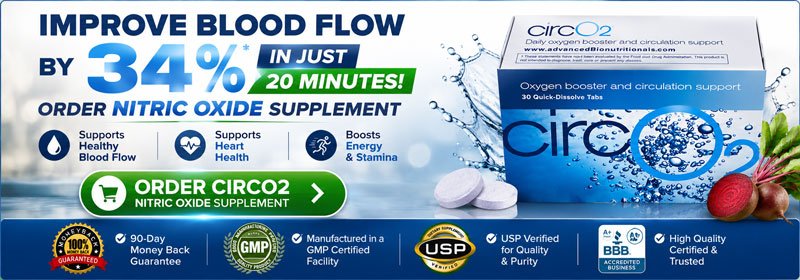
CircO2 Nitric Oxide Supplement is a quick-dissolve formula from Advanced Bionutritionals that combines ingredients such as beetroot, L-citrulline, hawthorn berry extract, vitamin C, vitamin B12, and magnesium. If you want to explore the formula and see the current offer, you can learn more below.
Explore CircO2 Nitric Oxide Supplement
Are Nitric Oxide Supplements Right for Everyone?
Not necessarily. Dietary supplements can affect people differently, and some ingredients may interact with medications or existing health conditions. Anyone taking prescription medication, particularly medication that affects blood pressure or cardiovascular function, should discuss supplement use with a qualified healthcare professional.
It is also important to distinguish between supporting normal nitric oxide pathways and treating a medical condition. Nitric oxide supplements should not be used as a substitute for prescribed treatment or professional medical advice.
How to Support Healthy Nitric Oxide Naturally
There is no single food or supplement that determines nitric oxide status. A broader lifestyle approach makes more sense. Regular physical activity, a diet rich in vegetables, adequate sleep, and attention to cardiovascular health can all contribute to the systems involved in vascular function.
- Eat a variety of nitrate-rich vegetables.
- Include regular aerobic and resistance exercise.
- Maintain a balanced, nutrient-dense diet.
- Stay adequately hydrated.
- Avoid smoking and excessive alcohol consumption.
- Manage cardiovascular risk factors with professional guidance.
Healthy habits support the body’s own regulatory systems rather than trying to force one pathway to operate at maximum capacity.
Frequently Asked Questions
1. Does nitric oxide increase blood flow?
Yes, nitric oxide contributes to blood vessel relaxation and vascular regulation, which can influence blood flow. However, blood flow is controlled by many interacting mechanisms, so nitric oxide is only one part of the process.
2. What foods help support nitric oxide production?
Nitrate-rich vegetables such as arugula, spinach, lettuce, and beetroot can contribute dietary nitrate to the nitrate-nitrite-nitric oxide pathway. A varied diet is preferable to relying on one food.
3. Does exercise increase nitric oxide?
Exercise can stimulate nitric oxide-related pathways, and research has found increases in nitric oxide or related metabolites following various forms of physical activity. The response can vary depending on the type and duration of exercise.
4. Is more nitric oxide always better?
No. Nitric oxide has important physiological functions, but its effects depend on concentration, location, and cellular conditions. Healthy regulation and bioavailability are more meaningful concepts than simply maximizing nitric oxide levels.
The Bottom Line
So, what does nitric oxide do for the body? It acts as an important signaling molecule involved in blood vessel relaxation, circulation, exercise-related muscle function, nervous system communication, immune activity, and cellular regulation.
The strongest foundation for healthy nitric oxide function is a healthy lifestyle that includes regular exercise and a balanced diet rich in vegetables. Supplements may be useful for some people, but they should be evaluated by their ingredients, evidence, quality, and individual suitability rather than marketing claims alone.
Nitric oxide is best understood as one part of a complex biological system—not a magic solution for every aspect of health.
Affiliate Disclosure: We may earn a commission if you purchase a product through links on this page, at no additional cost to you.
Medical Disclaimer: This article is for educational purposes only and is not intended to diagnose, treat, cure, or prevent any disease. Speak with a qualified healthcare professional before starting a dietary supplement, especially if you take medication or have a medical condition.