

What foods have nitric oxide? While foods do not usually contain large amounts of nitric oxide itself, many vegetables provide nitrate and other nutrients that can support the body’s natural nitric oxide pathways. This is one reason leafy greens, beetroot, and several other vegetables have attracted attention for their potential role in circulation and vascular health.
Your body can make nitric oxide through different pathways. One important route starts with dietary nitrate, which can be converted to nitrite and then nitric oxide under the right conditions. Choosing a varied diet rich in nitrate-containing vegetables is a practical way to support this natural process.
Do Foods Actually Contain Nitric Oxide?
Not in the way many people imagine. Nitric oxide is a short-lived signaling molecule, so it is not something that foods simply store and deliver directly to your bloodstream in meaningful amounts.
Instead, certain foods contain dietary nitrate. After you eat nitrate-rich foods, part of that nitrate can participate in the nitrate-nitrite-nitric oxide pathway. Bacteria in the mouth play an important role in the first stage of this process.
That distinction matters because saying that a food “contains nitric oxide” can be misleading. It is more accurate to say that certain foods provide nitrate or other nutrients that may support nitric oxide production and availability.
How Do Nitrate-Rich Foods Support Nitric Oxide?
Dietary nitrate can be absorbed and circulated through the body. A portion is concentrated in saliva, where oral bacteria can reduce nitrate to nitrite. Some of that nitrite can subsequently contribute to nitric oxide formation, particularly under conditions where nitric oxide production through other pathways may be limited.
This process is commonly called the nitrate-nitrite-nitric oxide pathway. Research has linked dietary nitrate with changes in vascular function, blood pressure, and exercise-related physiology, although the strength of evidence varies depending on the food, dose, person, and outcome being studied.
The potential benefit comes from supporting a biological pathway, not from getting nitric oxide directly from a vegetable.
12 Foods That Support Nitric Oxide Production
| Food | Why It Is Notable | Simple Serving Ideas |
|---|---|---|
| Arugula | Very nitrate-rich leafy green | Salads, sandwiches, wraps |
| Spinach | Provides dietary nitrate and nutrients | Salads, curries, smoothies |
| Lettuce | Contains dietary nitrate | Salads and wraps |
| Beetroot | Well studied for its nitrate content | Roasted, steamed, or juiced |
| Swiss chard | Nitrate-containing leafy vegetable | Sautéed or added to soups |
| Celery | Provides dietary nitrate | Soups, salads, snacks |
| Radishes | Contain naturally occurring nitrate | Salads or sliced as a snack |
| Turnips | Cruciferous vegetable containing nitrate | Roasted, mashed, or in soups |
| Bok choy | Nitrate-containing leafy vegetable | Stir-fries and soups |
| Kale | Provides nitrate and other plant nutrients | Salads, soups, or sautéed |
| Cabbage | Contains dietary nitrate | Slaws, salads, and cooked dishes |
| Fennel | Provides dietary nitrate and plant compounds | Roasted, raw, or in salads |
1. Arugula
If you’re looking for foods associated with dietary nitrate, arugula deserves a place near the top of the list. Also called rocket, this peppery leafy green can provide a substantial amount of nitrate compared with many other vegetables.
Arugula is easy to add to everyday meals. Toss it into a salad, place it inside a sandwich, or use it as a topping for cooked vegetables and whole-grain dishes.
You do not need to eat arugula by itself; using it regularly as part of a varied diet is the more practical approach.
2. Spinach
Spinach is another familiar leafy green that can contribute dietary nitrate. It is also a source of folate, vitamin K, carotenoids, and other plant compounds, making it useful beyond its potential role in nitric oxide metabolism.
Fresh spinach works well in salads and smoothies, while cooked spinach can be added to eggs, soups, curries, pasta, and vegetable dishes. Including different forms throughout the week can make it easier to consume regularly.
3. Lettuce
Lettuce may seem less interesting than beetroot or spinach, but several varieties contain dietary nitrate. Because lettuce is commonly eaten in salads and wraps, it can be an easy way to include nitrate-containing vegetables without significantly changing your usual meals.
Rather than focusing on one “best” lettuce variety, rotate different leafy greens when possible. This gives your diet a wider range of nutrients and plant compounds.
4. Beetroot
Beetroot is one of the most extensively studied foods in relation to dietary nitrate. Research on beetroot juice has investigated its effects on blood pressure, vascular function, and exercise performance.
Studies have reported reductions in systolic blood pressure in some groups consuming nitrate-rich beetroot products, although results are not identical across every study. Recent reviews also emphasize that the certainty and size of the effect can vary.
Beetroot is best viewed as a nutrient-rich food that may support nitric oxide-related pathways, not as a replacement for medical treatment.
5. Swiss Chard
Swiss chard is another leafy vegetable that can contribute dietary nitrate. Its large leaves work well in cooked dishes, while younger leaves can be incorporated into salads.
Try sautéing chard with garlic and olive oil, adding chopped leaves to soups, or mixing it with other greens. Eating it alongside several different vegetables makes your overall diet more nutritionally diverse.
6. Celery
Celery contains naturally occurring nitrate and can easily fit into everyday meals. It is commonly eaten raw, but it can also be added to soups, stews, salads, and cooked vegetable dishes.
Celery alone is unlikely to transform nitric oxide levels. The bigger picture is more useful: regularly eating a variety of vegetables can provide nitrate alongside fiber, vitamins, minerals, and protective plant compounds.
7. Radishes
Radishes are a simple way to add another nitrate-containing vegetable to your diet. Their crisp texture and slightly spicy flavor make them particularly useful in salads and sandwiches.
Slice them thinly over leafy greens, add them to grain bowls, or eat them with a balanced meal. Rotating different vegetables is generally more sustainable than relying heavily on one food.
8. Turnips
Turnips belong to the same broad vegetable family as several other cruciferous foods and can provide dietary nitrate. They are especially versatile during colder months when they can be roasted, mashed, or incorporated into soups and stews.
Turnip greens can also be eaten and provide additional plant nutrients. Using both the root and greens can add variety to your meals while helping reduce food waste.
9. Bok Choy
Bok choy is a popular leafy vegetable in Asian cooking and another option for increasing the variety of nitrate-containing vegetables in your diet.
It cooks quickly, making it convenient for stir-fries and soups. Pair it with other vegetables, lean protein, and a whole-food carbohydrate source for a balanced meal rather than treating bok choy as a standalone nitric oxide solution.
10. Kale
Kale provides dietary nitrate along with fiber and several micronutrients. It can be eaten raw in salads, lightly cooked, added to soups, or blended into smoothies.
If you find raw kale difficult to enjoy, massaging chopped leaves with a little olive oil and lemon can soften the texture. Cooking also makes it easier to incorporate into warm meals.
11. Cabbage
Cabbage is an inexpensive vegetable that can contribute dietary nitrate while providing fiber and other plant compounds. Green and red cabbage can both add variety to meals.
Use it in slaws, salads, stir-fries, soups, or cooked side dishes. Fermented cabbage foods can also be part of a varied diet, although fermentation does not mean they should automatically be considered a nitric oxide supplement.
12. Fennel
Fennel rounds out this list with a distinctive anise-like flavor. The bulb can be eaten raw or roasted, while the fronds can be used as a fresh herb.
Fennel is not as commonly discussed as beetroot or leafy greens when nitric oxide is the topic, but it can still contribute to a varied vegetable intake. Try thinly slicing the bulb into salads or roasting it alongside other vegetables.
Which Foods Are Best for Nitric Oxide?
There is no single food that deserves to be called the universal “best” nitric oxide food. Arugula, spinach, lettuce, beetroot, and other nitrate-rich vegetables can all contribute to the dietary pathway.
Beetroot has received particularly strong research attention because its nitrate content has been studied in controlled trials. Leafy greens, meanwhile, can be especially practical because they are easy to include regularly in meals.
The best choice is usually the food you can eat consistently as part of an overall balanced diet.
Does Cooking Reduce the Benefits?
Cooking can change the nitrate content and nutritional composition of vegetables, but the effect depends on the food and cooking method. Boiling, steaming, roasting, and other methods can produce different results.
There is no need to avoid cooked vegetables simply because you’re interested in nitric oxide. Raw salads and cooked vegetables can both have a place in a healthy eating pattern.
Instead of worrying about a single preparation method, focus on eating a broad selection of vegetables throughout the week.
What About Nitric Oxide Supplements?
Food should generally be the starting point for improving overall dietary quality. However, some people also explore nitric oxide supplements containing ingredients such as beetroot, L-citrulline, or L-arginine.
These products work differently depending on their ingredients. Some provide nitrate-containing ingredients, while others aim to support the amino-acid pathway involved in nitric oxide synthesis.
Considering a nitric oxide supplement?
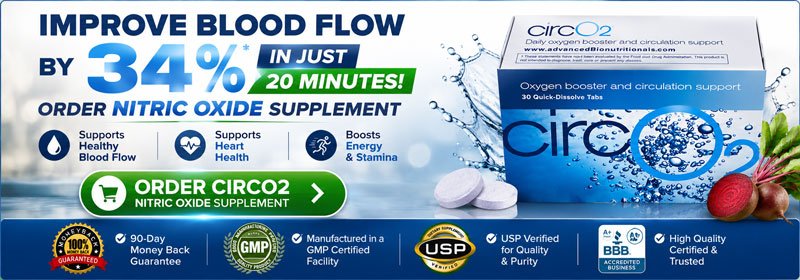
CircO2 Nitric Oxide Supplement is a quick-dissolve formula from Advanced Bionutritionals that includes beetroot powder, L-citrulline, hawthorn berry extract, vitamin C, vitamin B12, and magnesium. If you’re comparing options, you can review the formula and current offer before deciding whether it fits your needs.
Explore CircO2 Nitric Oxide Supplement
Can Nitric Oxide Foods Lower Blood Pressure?
Research on nitrate-rich foods, particularly beetroot and beetroot juice, has found potential effects on blood pressure. Several systematic reviews and meta-analyses have reported reductions in systolic blood pressure, although the size and consistency of the effect differ between studies.
This does not mean nitrate-rich foods can replace blood-pressure medication. People with hypertension should continue following their healthcare professional’s treatment plan.
If you take medication for blood pressure or another cardiovascular condition, speak with your healthcare professional before making significant changes to your diet or adding concentrated nitrate products.
Simple Ways to Add More Nitric Oxide-Supporting Foods
- Add arugula or spinach to salads and sandwiches.
- Include beetroot as a side dish or in a smoothie.
- Use leafy greens in soups, curries, and stir-fries.
- Add sliced radishes to salads and grain bowls.
- Try roasted turnips, fennel, or beetroot with dinner.
- Rotate different vegetables instead of relying on one food.
You don’t need a complicated meal plan. A few small changes can increase your intake of vegetables over time. The goal is consistency rather than chasing a particular food or trying to consume the highest possible amount of nitrate.
Frequently Asked Questions
1. What foods have the most nitric oxide?
Foods do not generally contain meaningful amounts of nitric oxide itself. Nitrate-rich vegetables such as arugula, spinach, lettuce, beetroot, and Swiss chard are better described as foods that can support the nitrate-nitrite-nitric oxide pathway.
2. Is beetroot the best food for nitric oxide?
Beetroot is one of the most researched nitrate-rich foods, particularly in studies of beetroot juice. However, leafy greens such as arugula and spinach are also useful sources of dietary nitrate.
3. Do bananas increase nitric oxide?
Bananas provide potassium and other nutrients but are not considered major dietary nitrate sources. If your specific goal is to increase dietary nitrate, leafy greens and beetroot are more relevant choices.
4. Can I get enough nitric oxide support from food?
For most people, a varied diet rich in vegetables can provide dietary nitrate and other nutrients that support normal physiological pathways. Whether someone needs a supplement depends on their diet, goals, health status, and individual circumstances.
The Bottom Line
When people ask, “What foods have nitric oxide?”, the more accurate question is which foods provide nutrients that support the body’s nitric oxide pathways. Nitrate-rich vegetables such as arugula, spinach, lettuce, beetroot, Swiss chard, celery, radishes, turnips, bok choy, kale, cabbage, and fennel are useful options.
You don’t need to depend on one “superfood.” Building a diet around a variety of vegetables is a more practical way to support overall vascular and nutritional health.
If you are considering a nitric oxide supplement, evaluate the ingredient list, serving amounts, quality, and evidence behind the formula rather than relying solely on marketing claims.
Affiliate Disclosure: We may earn a commission if you purchase a product through links on this page, at no additional cost to you.
Medical Disclaimer: This article is for educational purposes only and is not intended to diagnose, treat, cure, or prevent any disease. If you have a medical condition or take prescription medication, consult a qualified healthcare professional before making significant dietary or supplement changes.